
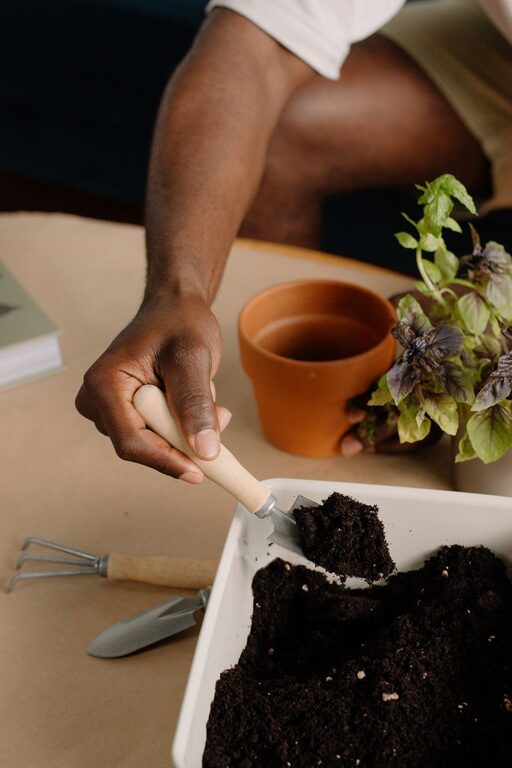
Growing herbs indoors is an easy way to add fresh flavor to meals, even if you do not have a yard or balcony. A sunny windowsill, a few containers, and basic potting supplies are enough to get started. With the right setup and regular care, a small indoor herb garden can provide useful harvests throughout the year.
Choose the Right Location
The first step is finding a suitable place for your herbs. Most culinary herbs need plenty of bright light, good air circulation, and a fairly steady temperature.
A south-facing window usually provides the strongest natural light. East- and west-facing windows can also work well, while a north-facing window may not provide enough light for many herbs.
Choose a location that:
– Receives at least six hours of bright light each day
– Is away from cold drafts and heating vents
– Has a stable temperature
– Is easy to reach for watering and harvesting
– Protects plants from pets or children if needed
If natural light is limited, use a small grow light. Keep it above the plants according to the manufacturer’s instructions, and provide a consistent light schedule each day.
Select Easy Herbs for Beginners
Some herbs are better suited to indoor growing than others. Start with a few varieties that match your available space, light, and cooking habits.
Good choices for beginners include:
Basil
Basil grows quickly and produces plenty of leaves when it receives bright light. It prefers warm conditions and should be harvested often to encourage fuller growth.
Chives
Chives are compact, low maintenance, and tolerant of indoor conditions. Their mild onion flavor works well in soups, salads, eggs, and baked potatoes.
Mint
Mint grows vigorously and can tolerate some lower-light conditions. It is best planted in its own container because its roots can spread quickly.
Parsley
Parsley grows more slowly than basil but can provide a steady supply of fresh leaves. It prefers bright light and evenly moist soil.
Thyme and Oregano
Thyme and oregano prefer plenty of light and slightly drier soil between waterings. Their compact growth makes them useful for small shelves or windowsills.
You do not need to grow every herb at once. Choose two or three that you use regularly in the kitchen.
Decide Between Seeds and Starter Plants
You can begin an indoor herb garden from seeds or small nursery plants.
Seeds are affordable and offer many varieties, but they require more patience. Seedlings may take several weeks to become large enough for harvesting. Starter plants provide a quicker beginning and are often easier for new gardeners.
When buying starter plants, look for:
– Healthy green leaves
– Strong stems
– No visible insects
– No yellowing or wilted growth
– Soil that is not overly wet
Avoid plants that appear crowded, damaged, or covered with spots. Healthy plants have a better chance of adjusting to their new environment.
Choose Containers With Drainage
Herbs need containers that allow excess water to escape. Without drainage, water can collect around the roots and cause problems.
Choose pots with drainage holes in the bottom. Place a saucer beneath each container to protect your windowsill or shelf. You can use clay, ceramic, metal, or plastic pots, as long as they provide proper drainage.
A container that is about 6 to 8 inches wide is suitable for many individual herbs. Larger herbs or plants that grow quickly may need more room. If you plan to grow several herbs together, make sure they have similar light and watering needs.
Avoid placing different herbs in one container simply to save space. Mint, for example, is best grown alone, while herbs with different moisture needs may not thrive in the same pot.
Use the Right Potting Mix
Regular outdoor garden soil is often too dense for containers. It may drain poorly and can contain insects or weed seeds.
Use a quality indoor potting mix instead. A lightweight mix designed for containers will help water move through the soil while still holding enough moisture for the roots. Fill the container without packing the soil tightly.
If starting from seed, follow the depth instructions on the seed packet. Planting seeds too deeply can slow or prevent germination. Keep the soil gently moist while the seeds begin to grow.
Water Carefully
Overwatering is one of the most common problems in indoor herb gardens. Herbs need moisture, but their roots also need air.
Check the soil with your finger before watering. If the top inch feels dry, add water slowly until a little drains from the bottom of the pot. Empty the saucer afterward so the container does not sit in standing water.
Watering needs vary depending on the herb, container size, room temperature, and amount of light. Basil and parsley usually prefer more consistent moisture, while thyme and oregano like the soil to dry slightly between waterings.
Watch for signs of watering problems:
– Yellow leaves may indicate too much water
– Drooping leaves may result from too little water or root stress
– Dry, crispy leaves may signal low humidity or underwatering
– Mold on the soil surface may mean the soil is staying too wet
Adjust your routine based on the plant’s condition rather than following a strict calendar.
Provide Regular Care
Indoor herbs benefit from simple, consistent maintenance. Rotate the pots every few days so all sides of the plant receive light. This also helps prevent stems from leaning toward the window.
Remove yellow or damaged leaves as they appear. Wipe dust from larger leaves with a clean, damp cloth so the plant can use light more effectively.
If plants become tall and thin, they may need more light. Move them closer to a bright window or add a grow light. If leaves look pale or growth slows, check the light, watering, and soil conditions.
Indoor air can be dry, especially during colder months. Avoid placing herbs directly beside heaters. Good spacing between containers also helps air circulate around the leaves.
Harvest Herbs the Right Way
Harvesting encourages many herbs to produce new growth. Use clean scissors or pinch leaves gently with your fingers.
For leafy herbs such as basil, cut just above a pair of leaves. This encourages the plant to branch and become fuller. Avoid removing more than one-third of the plant at a time.
Chives can be trimmed close to the base when needed. Parsley stems should be cut from the outside of the plant, allowing newer growth in the center to continue developing.
For thyme and oregano, trim the top portions regularly. Harvest before the plants flower if you want the strongest leafy growth and a compact shape.
Use harvested herbs fresh, or dry small amounts for later use. Fresh herbs are often most flavorful when added near the end of cooking.
Handle Common Indoor Problems
Indoor herbs can occasionally attract small pests such as aphids or fungus gnats. Check the leaves and soil regularly, especially when bringing new plants into your home.
If you notice pests, move the affected plant away from other herbs and remove insects by hand when possible. Cleaning the leaves with water can also help. Avoid bringing visibly infested plants into your garden.
Crowded plants may develop weak growth or fungal problems. Give each container enough space, avoid wetting the leaves unnecessarily, and provide good airflow.
Keep Your Garden Simple
A small herb garden does not need to be complicated. Start with a few reliable plants, provide bright light, use containers with drainage, and pay attention to the soil before watering.
As you gain experience, you can add more herbs, try growing from seed, or experiment with a small shelf and grow light. With regular harvesting and basic care, your indoor garden can become a convenient source of fresh herbs for everyday cooking.
