
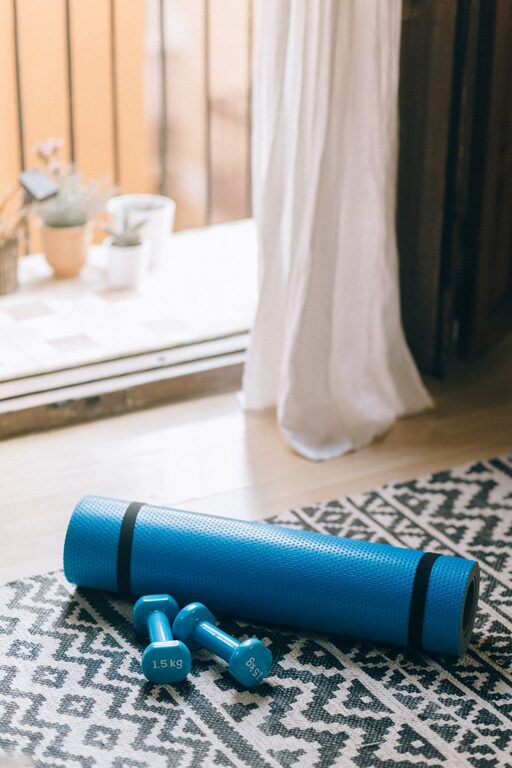
Creating a workout corner at home does not require a large room, expensive machines, or a major renovation. With a small amount of planning, you can set up a comfortable space that makes exercise easier to start and simpler to maintain.
A good workout corner should fit your home, your routine, and your budget. It can be part of a bedroom, living room, basement, garage, or home office. The most important features are enough room to move safely, equipment you will actually use, and a setup that is easy to keep organized.
Choose the Right Location
Start by looking for an area with enough open floor space for the activities you enjoy. You do not need an entire room. A corner measuring about six by six feet may be enough for stretching, bodyweight exercises, and basic strength training.
Consider these factors when choosing a location:
– Floor space: Make sure you can stand, lie down, and extend your arms and legs without hitting furniture.
– Ceiling height: Check that you can reach overhead comfortably, especially if you plan to use weights or perform jumping exercises.
– Lighting: Natural light can make the area feel more inviting, while a good lamp helps with visibility during early morning or evening workouts.
– Ventilation: Choose a space with airflow or a nearby window if possible.
– Noise: If you live with others or in an apartment, consider how jumping, dropped weights, or loud music might affect the people around you.
– Convenience: A visible, easy-to-reach location may encourage more frequent use than equipment hidden in storage.
If you are sharing a room, use a wall, corner, or foldable setup to clearly define the workout area. Even a small mat can visually separate the space from the rest of the room.
Prepare the Floor
The floor is one of the most important parts of a home workout corner. A firm, stable surface helps you maintain balance and protects the floor from sweat, friction, and equipment marks.
A fitness mat is a simple starting point. Look for one that is long enough for your body and provides enough grip for floor exercises. A thicker mat may be more comfortable for exercises performed on your knees, back, or elbows.
For strength training, consider interlocking rubber or foam tiles. These can provide extra protection if you use dumbbells or kettlebells. Rubber flooring is generally more durable, while foam tiles are lighter and easier to install.
Before placing a mat or flooring, clean the area and check for uneven surfaces. Avoid placing exercise equipment on loose rugs that can slide during movement. If a rug must remain underneath the setup, use a nonslip layer to improve stability.
Select Basic Equipment
You do not need to buy everything at once. Begin with versatile items that support several types of exercise. Your equipment should match your goals and the amount of space you have available.
A practical starter setup may include:
– Exercise mat: Useful for stretching, floor exercises, yoga, and core movements.
– Resistance bands: Lightweight, affordable, and easy to store. Different band strengths can support a range of exercises.
– Adjustable dumbbells: These save space compared with several pairs of fixed-weight dumbbells.
– Jump rope: A compact option for short bursts of movement, provided you have enough overhead and floor clearance.
– Stability ball: Helpful for selected strength and balance exercises, though it requires extra storage space.
– Foam roller: Useful for general mobility routines and post-workout comfort.
– Small step or platform: Can support low-impact step exercises and other simple movements.
Choose one or two items that fit your routine instead of buying a large collection immediately. If you prefer bodyweight workouts, you may need only a mat, resistance bands, and a timer. If you enjoy strength training, dumbbells may be a more useful first purchase.
Add Smart Storage
A tidy workout corner is easier to use. Equipment left on the floor can create a tripping hazard and make the space feel cluttered. Simple storage solutions can keep everything accessible without taking over the room.
Try one or more of these ideas:
– Use a sturdy basket for resistance bands, jump ropes, and small accessories.
– Install wall hooks for bands, towels, or a jump rope.
– Place dumbbells on a low, stable shelf that can support their weight.
– Store a rolled mat in a vertical corner or behind a door.
– Use a small cabinet or storage bench for less frequently used items.
– Keep a water bottle and towel nearby, but avoid blocking walkways.
Make sure shelves, hooks, and storage containers are properly secured. Heavy equipment should stay low to reduce the chance of items falling. Do not stack weights where they could roll or be knocked over easily.
Make the Space Comfortable
A welcoming environment can make it easier to stay consistent. You can personalize the corner without adding unnecessary clutter.
Consider adding:
– A mirror to check general form and movement
– A clock or simple interval timer
– A small speaker or headphones for music
– A nearby fan for airflow
– A towel rack or basket
– A calendar or checklist for tracking workouts
Keep decorations limited if the area is small. The goal is to create a space that feels pleasant while leaving enough room for movement. If you use a screen for exercise videos, position it where you can see it without turning your body awkwardly or placing a device where it may be knocked over.
Plan for Safe Movement
Before each workout, check the area for obstacles. Move chairs, tables, lamps, pets’ toys, and loose cords out of the way. If you are using weights, confirm that there is enough space to lift and set them down without hitting nearby objects.
Use equipment according to its instructions and inspect bands, handles, mats, and cables regularly. Replace items that show cracks, fraying, or other signs of damage. Keep liquids away from electrical devices, and use a stable surface for phones, tablets, or speakers.
Start with movements that match your current experience and available space. Controlled exercises are often a better fit for a small home corner than movements that require a large running area. If you live above another household, use low-impact options and place a protective mat beneath equipment to help reduce noise.
Build a Simple Routine
Your workout corner will be most useful when it supports a clear routine. Decide when you are most likely to exercise and keep the setup ready for that time.
A simple weekly plan might include:
– Two or three strength-focused sessions
– One or two mobility or stretching sessions
– Short walks or other active breaks on remaining days
– Rest days as needed
Keep sessions realistic. Even 15 to 20 minutes can be enough to establish a habit. You might begin with a warm-up, several basic movements, and a short cool-down. As the routine becomes more familiar, you can adjust the duration or add new equipment.
Write down the exercises and equipment you use. This can help you notice which items are genuinely useful and which ones take up space without supporting your routine.
Start Small and Improve Over Time
The best home workout corner is one that you will use regularly. Begin with the available space, choose versatile equipment, and avoid buying items simply because they look professional.
As your needs change, you can improve the setup gradually. Add better storage, replace a worn mat, or purchase one new piece of equipment that supports a specific goal. Keep the area open, clean, and easy to access.
A small, organized workout corner can provide everything you need for a practical home fitness routine. With a safe floor, a few useful tools, and a consistent schedule, you can create a space that supports movement without requiring a full home gym.
