
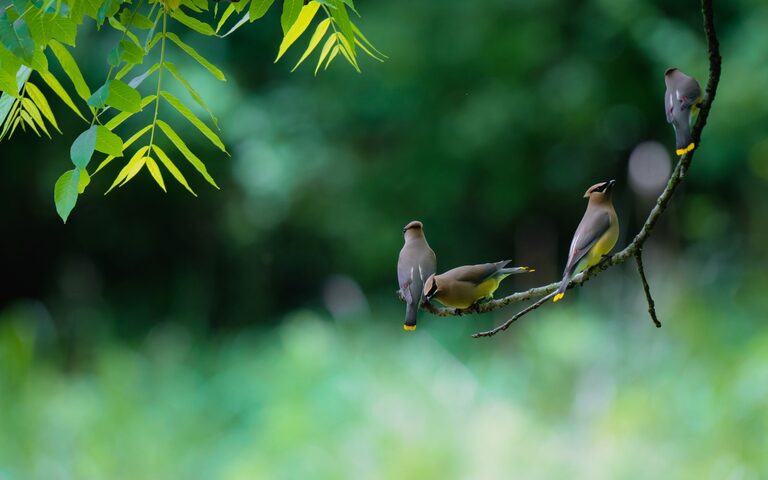
Backyard birdwatching is an easy, rewarding hobby that can be enjoyed almost anywhere. You do not need expensive equipment, a large yard, or expert knowledge to get started. With a few simple supplies and some patience, you can begin noticing the birds that live near your home.
Birdwatching offers a chance to spend more time outdoors, learn about local wildlife, and observe seasonal changes. The more often you watch, the more familiar you will become with bird behavior, calls, colors, and flight patterns.
Start With the Birds You Already See
Before buying feeders or field guides, spend a few minutes looking around your yard, balcony, or nearby green space. You may already have birds visiting trees, shrubs, fences, rooftops, or patches of grass.
Choose a comfortable place where you can sit quietly. Watch for:
– Birds searching for food on the ground
– Birds visiting flowers, trees, or shrubs
– Birds carrying nesting material
– Birds bathing or drinking
– Birds flying in groups
– Birds calling from hidden branches
Keep a small notebook nearby and write down what you notice. You do not need to identify every bird right away. Descriptions such as “small gray bird with a long tail” or “large black bird near the lawn” are useful starting points.
Choose Basic Birdwatching Equipment
You can begin with very little equipment. The most important tool is your attention.
Binoculars
A pair of binoculars makes it easier to see birds without getting too close. For beginners, binoculars with 7x or 8x magnification are usually comfortable and easy to hold. A wider field of view can also help you find moving birds.
When using binoculars, first locate the bird with your eyes. Keep watching it, then slowly raise the binoculars to your face. This takes practice, but it is easier than trying to search through the lenses immediately.
Field Guide or Birding App
A field guide with pictures and range maps can help you compare similar species. Bird identification apps can also be useful, especially when you are learning common calls and songs.
Try to identify birds using several features rather than color alone. Pay attention to:
– Size and body shape
– Beak shape
– Tail length
– Wing patterns
– Habitat
– Movement and behavior
– Song or call
Some birds look different depending on age, season, or lighting. If you are unsure, record your best guess and check it later.
Notebook and Camera
A notebook helps you track sightings and notice patterns. Record the date, time, weather, location, and bird description. Over time, these notes can become a personal birdwatching journal.
A camera or phone can also help with identification. Take pictures from a distance and avoid chasing birds for a better shot. Watching respectfully is more important than getting a perfect photo.
Make Your Yard More Bird Friendly
Birds need food, water, shelter, and safe places to raise their young. You can support them by adding a few helpful features to your outdoor space.
Add Native Plants
Native plants are adapted to your local climate and often provide food and shelter for birds. Trees and shrubs may offer berries, seeds, insects, and nesting locations. Flowers can attract insects that many birds feed on.
Consider adding a mix of:
– Berry-producing shrubs
– Seed-bearing flowers
– Small trees
– Dense bushes for shelter
– Plants with different heights and seasons of interest
Avoid removing every fallen leaf or small branch. Natural materials can provide hiding places and food for insects, which are an important part of many birds’ diets.
Provide Clean Water
A shallow birdbath can attract birds that do not visit feeders. Place it in a location where birds can see nearby trees or shrubs but where predators have fewer opportunities to hide.
Change the water regularly and clean the basin often. In cold weather, check the water frequently to make sure it remains available without creating unsafe conditions. A simple, shallow container can work well as long as it is stable and easy to clean.
Use Feeders Carefully
Feeders can bring birds closer for observation, but they require regular maintenance. Choose a feeder that suits the birds in your area and place it where you can see it from a window.
Keep these tips in mind:
– Clean feeders regularly
– Store seed in a dry, secure container
– Remove wet or moldy food
– Place feeders away from areas where pets can surprise birds
– Keep feeders a safe distance from windows or use window markers
Different foods attract different birds. Black oil sunflower seed is popular with many species, while nyjer seed may attract finches. Before buying large quantities, observe which birds already live in your area.
Learn to Watch Quietly
Birds are easily startled by sudden movement and loud sounds. Move slowly, speak softly, and avoid approaching nests or young birds. Sitting still for several minutes often produces better sightings than walking around constantly.
Look for movement rather than trying to scan every branch. A flicking tail, a turning head, or a brief flash of color can reveal a bird hidden in leaves.
Early morning is often a productive time for birdwatching because many birds are active and vocal. Late afternoon can also be rewarding. However, every yard is different, so watch at various times to discover when birds are most active near you.
Practice Identifying Common Birds
Start with a small group of familiar species instead of trying to learn every bird at once. Common backyard birds may include robins, sparrows, chickadees, cardinals, blue jays, doves, finches, and woodpeckers, depending on your region.
Choose one bird and study it for several minutes. Notice how it walks, feeds, flies, and interacts with other birds. Learning behavior can make identification easier than focusing only on markings.
You can also compare similar species side by side in a guide. Pay attention to differences in size, head markings, wing bars, and voice.
Keep a Simple Bird List
A life list is a record of the bird species you have seen. You can keep one in a notebook, spreadsheet, or birding app. Add the date and location for each confirmed sighting.
You may also want to track:
– First sightings of the year
– Birds seen during each season
– Birds visiting feeders
– Unusual behavior
– Weather during notable sightings
There is no need to compete with anyone else. A list is simply a way to remember what you have observed and see how your skills improve.
Follow Good Birdwatching Habits
Responsible birdwatching protects both birds and their habitats. Keep a respectful distance, especially during nesting season. Do not handle eggs, chicks, or injured birds unless a qualified wildlife professional gives you specific instructions.
Keep cats indoors or supervised when possible, and prevent dogs from disturbing feeding or nesting areas. Avoid using recordings to attract birds repeatedly, since this can cause unnecessary stress or distract them from important activities.
Most importantly, enjoy the experience. Birdwatching is not about identifying every species or collecting expensive gear. It is about slowing down, paying attention, and discovering the wildlife already sharing your surroundings.
With regular practice, you will begin to recognize familiar visitors and notice new arrivals throughout the year. A quiet backyard can become an excellent place to learn, observe, and connect with nature.
