
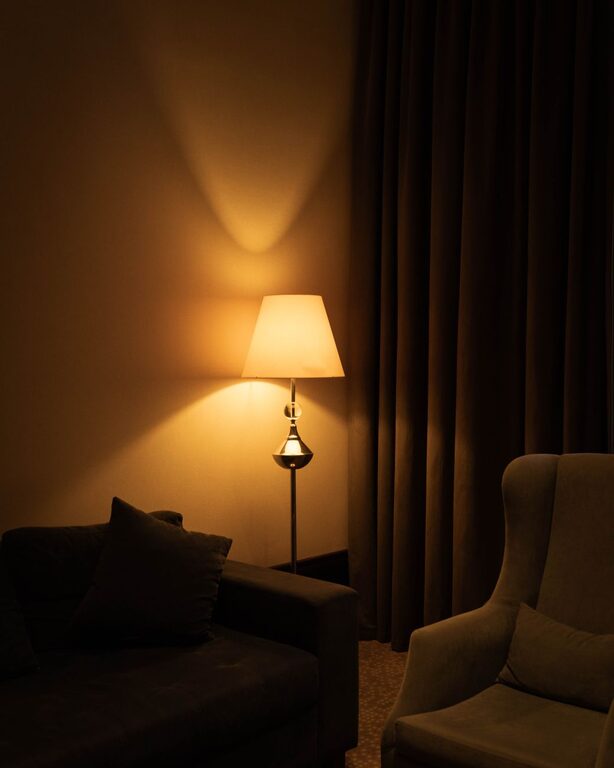
Good lighting can make a home feel warm, practical, and inviting. It helps define the mood of a room, supports everyday activities, and highlights the features you enjoy most. However, choosing comfortable lighting involves more than picking an attractive fixture.
The best results usually come from combining different types of light, selecting suitable brightness and color, and placing fixtures where they work well for the room. With a thoughtful plan, you can create a home that feels balanced throughout the day.
Understand the Three Main Types of Lighting
A comfortable lighting plan usually includes three layers: ambient, task, and accent lighting. Each layer has a different purpose, and combining them makes a room more flexible.
Ambient lighting
Ambient lighting provides general illumination. It is the main layer that helps you move around a room and see its overall layout. Common examples include:
– Ceiling fixtures
– Recessed lights
– Chandeliers
– Flush mount lights
– Wall mounted fixtures
– Floor lamps that spread light across a room
Ambient lighting should be even without making the room feel overly bright. In larger spaces, one fixture may not be enough, so consider several sources placed around the room.
Task lighting
Task lighting is focused light for specific activities. It is useful in areas where you read, cook, work, study, groom, or complete detailed projects.
Examples include:
– Desk lamps
– Under cabinet lights
– Reading lamps
– Vanity lights
– Pendant lights over a kitchen island
– Adjustable lamps beside a chair
Task lighting should be positioned to reduce shadows. For example, a desk lamp is often most useful when placed to the side of your working hand. In a kitchen, lights under cabinets can brighten countertops without relying only on a ceiling fixture.
Accent lighting
Accent lighting adds atmosphere and draws attention to selected features. It can highlight artwork, shelves, plants, architectural details, or decorative objects.
Popular options include:
– Picture lights
– Small spotlights
– Track lighting
– Wall washers
– LED strips
– Lamps placed on shelves or consoles
Accent lighting does not need to be strong. Its main purpose is to add depth and visual interest, especially in the evening.
Choose the Right Light Color
Light color affects how a room feels. Bulbs are commonly described using a color temperature measured in Kelvin. Lower numbers usually create a warmer, more golden appearance, while higher numbers produce a cooler, whiter appearance.
Warm white light is often a comfortable choice for living rooms, bedrooms, dining areas, and entryways. It creates a relaxed and welcoming atmosphere.
Neutral white light can work well in kitchens, bathrooms, home offices, and laundry areas. It provides a clean appearance while still feeling comfortable.
Cooler white light may be useful in certain work areas, but it can feel too sharp or formal in rooms designed for relaxing. When selecting bulbs, consider the mood you want rather than choosing the same color for every space.
It is also helpful to keep the light color consistent within a room. Using bulbs with noticeably different tones can make the space feel uneven.
Select Suitable Brightness
Brightness is another important factor. Light output is measured in lumens, while watts describe energy use. When shopping for modern LED bulbs, focus on lumens rather than watts.
The right brightness depends on:
– The size of the room
– The color of the walls and furniture
– The height of the ceiling
– The activity taking place
– The amount of natural light
– The number of fixtures
A small lamp with a low output may be ideal for a bedside table but not for a large living room. On the other hand, a very bright fixture can make a small room feel harsh.
Instead of relying on one powerful light, consider using several moderate sources. A combination of ceiling lighting, table lamps, and floor lamps gives you more control and can create a softer result.
Use Dimmers for Greater Flexibility
Dimmers make it easier to adjust lighting throughout the day. Bright light may be useful while cleaning, preparing food, or working, while a lower setting may feel better during dinner or relaxation.
Before installing a dimmer, check that the fixture and bulbs are compatible. Some LED bulbs require specific dimmer switches. If the components are not compatible, the lights may flicker or fail to dim smoothly.
Portable lamps can also offer flexibility when connected to smart plugs or adjustable lighting systems. These options can be useful if you want to change the atmosphere without replacing the fixture.
Reduce Glare and Harsh Shadows
Glare can make lighting feel uncomfortable, especially when a bare bulb is visible from a seating area or work position. Choose shades, diffusers, and frosted bulbs to soften the light.
Placement also matters. Avoid positioning a light where it shines directly into your eyes or reflects strongly from a television, computer screen, mirror, or glossy table.
To create a more balanced room:
– Use shades that direct light where it is needed
– Place lamps slightly to the side of seating areas
– Avoid pointing spotlights directly at eye level
– Add indirect light to dark corners
– Choose matte finishes when reflections are distracting
– Test fixtures from the positions where you usually sit or work
Layered lighting can also reduce harsh shadows by providing light from more than one direction.
Plan Lighting Room by Room
Each room has different lighting needs.
Living room
Use a combination of ambient lighting, floor lamps, and table lamps. Add accent lights to highlight artwork or shelving. Dimmers are especially useful in this space because the room may be used for reading, entertaining, watching television, and relaxing.
Kitchen
Bright, practical lighting is important. Combine ceiling fixtures with under cabinet lighting and focused lights over work areas. Make sure the countertop is not left in shadow when you stand at the counter.
Bedroom
Choose softer, warmer lighting for a calm atmosphere. Bedside lamps should be easy to reach and bright enough for reading. A dimmer or adjustable lamp can help create different settings without turning on the main ceiling light.
Bathroom
Use even lighting around the mirror to reduce shadows on the face. A ceiling fixture can provide general light, while wall mounted fixtures or vertical lights near the mirror can support grooming tasks.
Home office
Select a focused desk lamp or adjustable task light. Position the light to avoid reflections on your screen. Combine it with comfortable ambient lighting so the work area does not feel much brighter than the rest of the room.
Consider Fixture Size and Placement
A fixture should suit the scale of the room and the furniture beneath it. A very small pendant may look lost over a large dining table, while an oversized fixture can overwhelm a compact room.
Before buying, measure the space and check the fixture dimensions. Think about:
– Ceiling height
– Table or island width
– Walking paths
– Door swings
– Furniture placement
– Switch locations
For hanging fixtures, make sure there is enough clearance for people to move comfortably underneath. Wall lights should also be placed where they provide useful illumination without becoming obstacles.
Make Natural Light Part of the Plan
Natural light changes throughout the day, so observe how sunlight enters each room before finalizing your lighting arrangement. A space that feels bright in the morning may need more ambient lighting in the evening.
Use curtains and blinds that allow you to control brightness and privacy. Light wall colors and reflective surfaces can help distribute daylight, while darker finishes may require additional fixtures.
Test Before Making a Final Choice
Whenever possible, test bulbs and fixtures in the actual room. A bulb that looks comfortable in a store may appear different alongside your walls, flooring, and furniture.
Try the light at different times of day and from different seating positions. Check whether it creates glare, shadows, or dark areas. Small adjustments, such as changing a lampshade or moving a floor lamp, can make a noticeable difference.
Comfortable home lighting comes from balance. Combine useful task lighting with gentle ambient and accent sources, choose colors that suit each room, and use dimmers or adjustable fixtures when possible. A thoughtful approach will help your home feel welcoming, functional, and easy to enjoy.
