
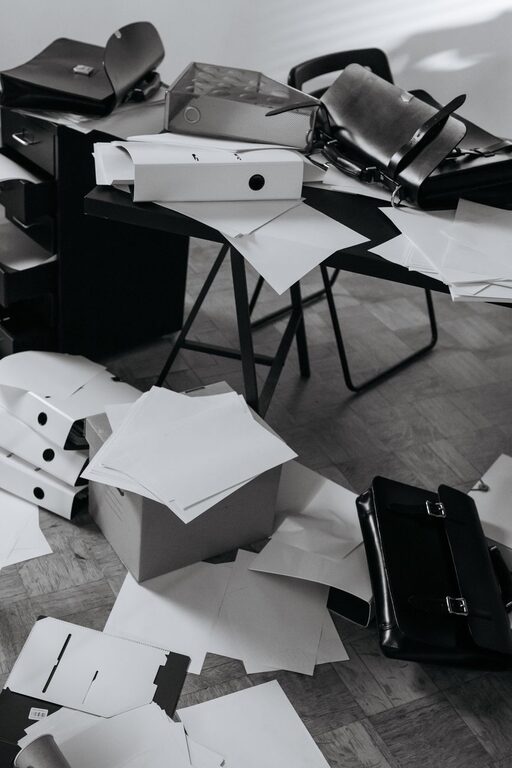
Paper clutter can build up quietly. A few envelopes on the counter can become a stack of bills, receipts, school notices, manuals, and documents you may need later. Before long, it becomes difficult to find important information and easy to feel overwhelmed.
The good news is that reducing paper clutter does not require a complicated system. A few simple decisions, consistent habits, and easy storage solutions can make a noticeable difference.
Start With a Quick Sorting Session
Before buying folders or storage boxes, sort the paper you already have. Choose a small area, such as one desk, a kitchen counter, or a filing drawer. Working in one section at a time makes the task easier to manage.
Create four basic groups:
– Take action: Papers that require a response, payment, signature, or appointment
– Keep: Documents you may need to reference later
– Recycle: Unneeded papers without sensitive information
– Shred: Papers containing private details
Try not to read every page in detail during the first sort. Make a quick decision and keep moving. If you find papers that do not fit into a group, place them in a temporary “decide later” pile. Review that pile when the main sorting is finished.
Set a Short Time Limit
A 15- or 20-minute session is often enough to make progress. Short sessions feel less demanding and help prevent the project from becoming another source of stress. Repeat the process over several days if you have a large amount of paper.
Create a Simple Home for Incoming Paper
Paper often becomes clutter because it has no designated place. Choose one location near the entrance, kitchen, or home office for new papers. A tray, wall organizer, or small basket can work well.
Use simple labels such as:
– To do
– To file
– To scan
– To recycle
Avoid creating too many categories. A system with several detailed sections may be difficult to maintain. The best system is one that everyone in the household can understand and use.
Review the incoming paper area at least once a week. Move items to their correct location, complete necessary tasks, and remove papers that no longer have a purpose.
Reduce Paper Coming Into Your Home
The easiest paper to manage is paper that never arrives. Review the mail and printed materials your household receives. When possible, choose digital statements, electronic notices, and online receipts.
You may be able to:
– Turn off catalogs you no longer want
– Select paperless billing
– Unsubscribe from promotional mail
– Ask organizations to send notices electronically
– Choose digital receipts when shopping
– Remove yourself from duplicate mailing lists
It can take some time for unwanted mail to decrease, so be patient. Keep a recycling bin near the place where you sort mail. This makes it easy to discard unneeded advertisements and envelopes immediately.
Handle Mail as Soon as Possible
A common cause of paper clutter is setting mail aside “for later.” Instead, use a simple routine when you bring it inside.
Follow the Open, Decide, Act Routine
- **Open** each envelope.
- **Remove** unnecessary inserts and envelopes.
- **Decide** whether the paper needs action, storage, scanning, or recycling.
- **Act** on urgent items or place them in the correct tray.
Do not let unopened mail collect for several days. Even a few minutes each day can prevent a large pile from forming.
Use a “One In, One Out” Rule
For items that tend to accumulate, remove an old item whenever a new one comes in. For example, when you receive a new appliance manual, check whether you still need the old manual. When a new calendar arrives, recycle the previous one.
This rule works especially well for:
– Menus
– Event flyers
– Product guides
– School papers
– Magazines
– Coupons
– Receipts
The rule is flexible. The goal is not to discard useful information, but to prevent collections from growing without limits.
Scan Important Papers
Digital copies can reduce the amount of physical storage you need. Use a phone scanning app or a home scanner to save important documents as clear PDF files.
Create a few broad folders, such as:
– Home
– Vehicles
– Education
– Receipts
– Warranties
– Personal records
Use clear file names that include the document type and date. For example, “Kitchen Appliance Warranty 2026” is easier to find than “Scan001.”
Store digital files in a reliable location and keep a backup when appropriate. A digital system should make documents easier to find, not create another confusing collection. Review scanned files occasionally and delete duplicates or outdated copies.
Before discarding an original, make sure a digital copy is acceptable for your needs. Some documents may be better kept in their original form.
Build a Small, Useful Filing System
A filing system does not need to fill an entire cabinet. Use a limited number of categories and store papers vertically in labeled folders.
Possible categories include:
– Home
– Insurance
– Taxes
– Vehicles
– School
– Projects
– Warranties
Keep frequently used documents in an easy-to-reach location. Less frequently needed papers can go in a separate box or file drawer.
Avoid keeping every document forever. When filing a paper, ask:
– Will I need this again?
– Is the information available online?
– Is this the most current version?
– Can I replace it easily if needed?
These questions help prevent files from becoming storage spaces for papers you no longer use.
Set Up a Temporary Action Folder
Some papers need attention but should not remain on the counter. Use one folder labeled “Action” for documents that require a reply, payment, signature, or follow-up.
Check this folder on a regular schedule, such as every Monday and Thursday. Add reminders to a calendar for tasks with deadlines. Once an item is completed, file it, scan it, or recycle it.
A single action folder is usually more effective than several scattered piles. It gives unfinished tasks a clear home and helps prevent important papers from being overlooked.
Recycle and Shred Responsibly
Recycle clean, unwanted paper according to your local recycling guidelines. Some items, such as laminated paper, photographs, and certain envelopes, may need different handling.
Shred papers that contain private information, including account numbers, identification details, or personal addresses. If you do not own a shredder, look for community shredding events or a local service.
Remove unnecessary packaging and extra pages before filing documents. Keeping only the useful part can significantly reduce the amount of paper in your home.
Maintain the System With Small Habits
Paper clutter is easier to prevent than to remove. Choose a few habits that fit your routine:
– Sort mail immediately
– Recycle junk mail right away
– Review the action folder weekly
– File completed papers promptly
– Scan useful documents once
– Clear the paper tray at the end of each week
– Do a larger review once a month
Do not aim for a perfect system. Aim for one that is simple enough to use on busy days. If a category is confusing or a storage location is inconvenient, adjust it.
A small amount of regular attention can keep paper from taking over your home. With fewer items coming in, clear places for important documents, and a consistent review routine, household paperwork becomes easier to manage and much less distracting.
